
Request a Quote - New
"*" indicates required fields


Summertime in the Southwest is often characterized by scorching temperatures and dry conditions, which pose a considerable risk to employee safety, particularly those in the construction industry. During this season, the region experiences hot and arid weather, with temperatures often soaring above 100°F. This heat can create a challenging environment for outdoor work and, if not appropriately managed, poses many health and safety risks. As a result, protecting the safety and well-being of construction industry workers operating heavy equipment is paramount.
In this article, we will explore essential safety tips for mitigating heat-related risks, promoting employee safety, and ensuring a productive and healthy work environment in the Southwest's sweltering summer heat.
First and foremost, you must implement a comprehensive heat illness prevention plan to protect workers from the scorching heat and ensure that a proper hazard communication plan is installed in the workplace. The plan should contain the following:
Protecting workers from the sun's harmful rays is crucial in preventing sunburn and long-term skin damage. To ensure this, consider the following measures:
In line with sun protection, proper PPE usage and appropriate clothing choices are essential in minimizing injuries and illnesses. To promote employee safety and comfort:
Combating heat stress is much more challenging if you’re not caring for your body. Ensuring you’re well-nourished and hydrated is critical to employee safety and well-being. To ensure this, we should heed the following:
Given the scorching summer heat in the Southwest, protecting construction industry workers using heavy equipment requires extra care and diligent attention. Recognizing that the workplace is only as safe as its most vulnerable employees, prioritizing employee safety not only ascertains their well-being but also nurtures a sense of community in the workplace. This can catalyze an established culture of safety and resilience that will set you apart from your competitors in the construction industry.
With 27 locations throughout Texas, Oklahoma, and East New Mexico, ASCO Equipment is a leader in the heavy equipment industry and knows a thing or two about the workplace and employee safety. As a family-run business with 63 years of experience, ASCO also treats its customers like family. We offer top-of-the-line heavy equipment like forklifts, boom lifts, skid steer loaders, excavators, concrete equipment, and more.
Want to know more? Get in touch with ASCO today.

John Wright, Brax Wright’s son, joined ASCO in early 2013 as part of the third generation of family leadership. A proud member of the Fightin’ Texas Aggie Class of 2007, John earned a Bachelor of Science in Mechanical Engineering from Texas A&M University.
After graduation, John worked as a structural design engineer for L-3 Communications MID, specializing in C3ISR (Command, Control, Communications, Intelligence, Surveillance, and Reconnaissance) aircraft. In 2012, John completed a Master of Business Administration with a concentration in Strategy and Entrepreneurship from Southern Methodist University.
In January 2013, John joined the family business and played a key role on the Hi-Way acquisition team. He has since taken on a variety of responsibilities. He currently oversees the IT department.
In his spare time, John enjoys weightlifting, woodworking, cooking, and reading. He met his wife, Elizabeth Boothe, at Coronado High School while competing on the Math Team. Together, they have two beautiful daughters.

Courtney Vanderham, Steve Wright’s daughter, joined ASCO in 2010. She earned a Bachelor of Business Administration in Finance from Texas Tech University in 2005 and went on to complete her MBA at West Texas A&M University in 2007 while working at ASCO. Courtney later attended Tulane University, earning a Master of Finance (MFIN) with a specialization in Energy Derivatives and Risk Management.
Following her MFIN, Courtney worked as a sales and use tax consultant for Ryan Inc., North America’s largest tax consulting firm. She returned to ASCO in 2010, where she gained experience in the accounting department in Lubbock before transitioning to Amarillo. She currently serves in an Operations Manager role
Courtney is actively involved in her community as a member of the Junior League of Amarillo, Daughters of the Republic of Texas, and the Power of the Purse committee for the Laura Bush Women’s Health Science Institute.
Courtney is married to Zachary Vanderham of Visalia, California. Together, they have two children. The family share a love for sports, the outdoors, and spending time with friends.

Paula’s son, Chase Key, joined ASCO in 2009 and was the first of the third generation to return to the family business. He earned a Bachelor of Science in Industrial Engineering from the University of Oklahoma and later completed a Master’s degree in Management at Texas Tech University.
After graduating from the University of Oklahoma in 2006, Chase began his career with UPS as part of their engineering team. In 2009, he rejoined ASCO, gaining experience in various roles, including the service department, rental sales, and as branch manager for the Lubbock Case store. Today, Chase serves as South Area Sales Manager.
Chase is actively involved in his community as Vice Chairman of the Covenant Hospital Foundation Board and a member of the Lubbock Executive Association (LEA). An Eagle Scout, Chase fondly recalls completing a 50-mile trek in Canada, an experience that continues to inspire him. He enjoys outdoor activities such as hunting and golf.
Chase is married to Amy Collins of Stillwater, Oklahoma, and together they have three children.
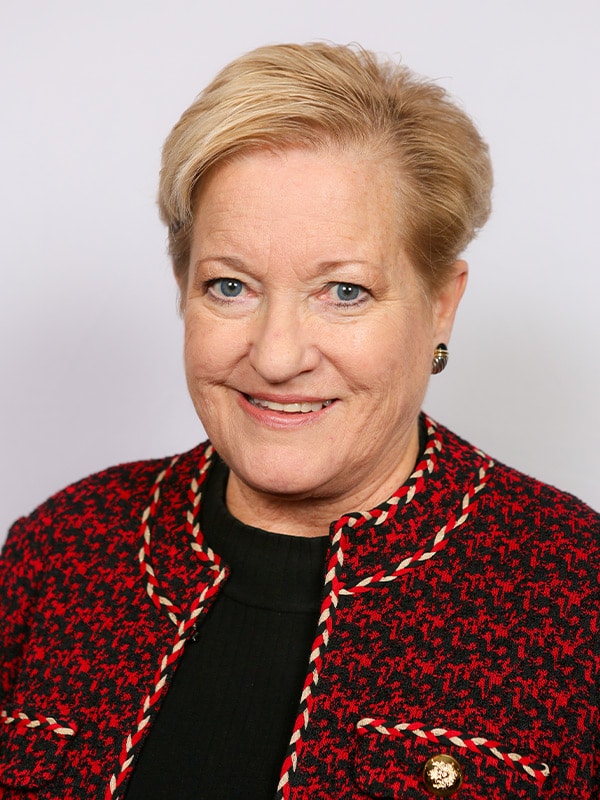
Bill’s daughter, Paula Wright Key, and treasurer for ASCO, is also proud to be part of the family operation. She graduated from the University of Texas at Austin in 1979 with a Bachelor of Business Administration (BBA) in marketing. That same year, Paula married Charles Ellis Key and moved to Dallas, where Charles joined InterFirst Bank as a Vice President.
In 1988, Paula and Charles returned to Lubbock, and Paula began her career at ASCO, working in the accounting department, working with payroll and accounts receivable.
Paula has been deeply involved in her community, serving on various boards, including the Texas Tech Foundation Board, Hospice of Lubbock Board, the Laura W. Bush Institute for Women’s Health, and the Board of Trustees for All Saints Episcopal School.
Paula and Charles have two children, Charles Ellis Key Jr. (Chase) and Carolyn, as well as four grandchildren.
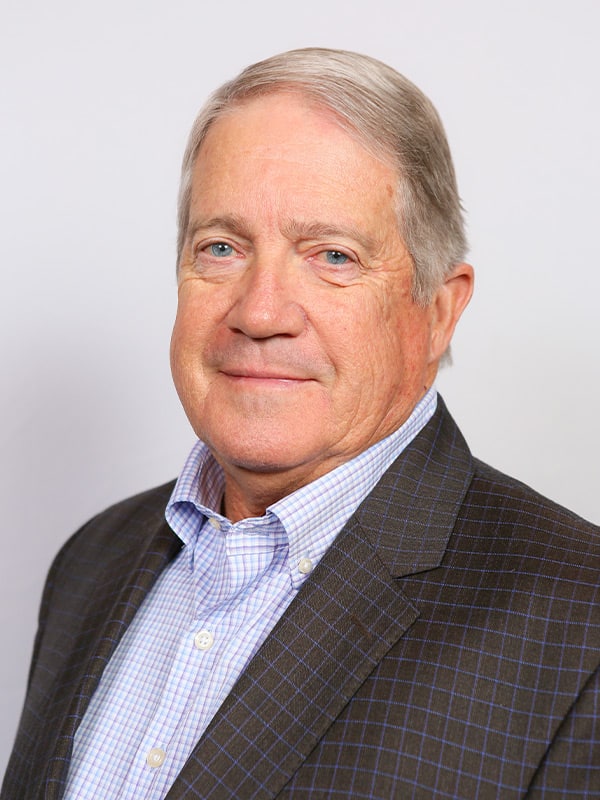
Steve Wright graduated from Texas Tech University in 1974 with a degree in Business Management. Shortly after, he joined his father and brother at ASCO, where he gained experience in nearly every role within the company.
In 1982, Steve and his family moved to Casper, Wyoming, where he managed ASCO Equipment-Wyoming, a Clark-Michigan distributorship serving the state. In 1984, he returned to Amarillo and now serves as President of ASCO.
Steve and his wife, Lea, are deeply involved in local, state, and national politics. Steve has also contributed to his community by serving on several boards, including Senate District 31, the Amarillo Executive Club, the Texas Tech Red Raider Club Board of Directors, and the Advisory Board for Wells Fargo Bank, among others.
An avid outdoorsman, Steve enjoys hunting and fishing. Steve and Lea have three children: Robyn, Courtney, and Brandon.
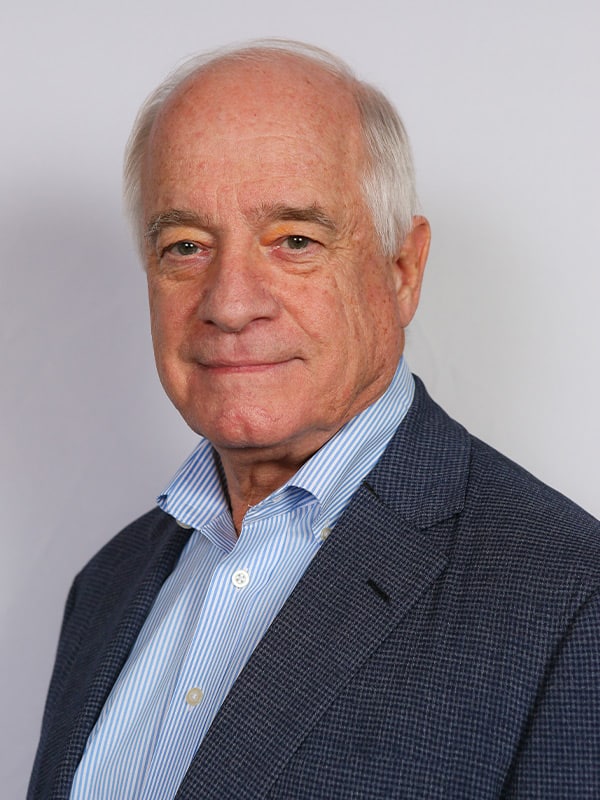
Brax graduated from the University of Texas in 1971 with a Bachelor of Science in Mechanical Engineering. After graduation, he began his career as an Offshore District Project Engineer for Exxon. He also served in the United States Army Reserve for six years, achieving the rank of sergeant in a heavy construction battalion.
Brax has held nearly every position at ASCO, gaining invaluable experience across the company before becoming Chief Executive Officer in 1997. Over the years, he has also served on numerous manufacturer advisory boards as well as other bank and company boards, contributing his expertise to guide key decisions.
Outside of work, Brax teaches the Adult Seekers Sunday School class at First Christian Church, where he serves as an elder. In his spare time, he enjoys golfing, camping, fly-fishing, reading, and writing. Brax is married to Beth, and together they have two children, John and Jill, and five grandchildren.