

Request a Quote - New
"*" indicates required fields


Do you rely on heavy equipment for construction, material handling, mining, or agriculture? If so, you recognize the importance of minimizing equipment downtime to stay productive and reduce operating costs.
Equipment can fail for many reasons, often occurring when you least expect it. Timely service is the best way to keep your valuable machines running and out of the repair shop while extending their lifespan.
Heavy equipment failure happens for many reasons, most of which are correctable or avoidable.
These machines typically operate in challenging conditions, often daily. This frequent use can strain the engine, hydraulic systems, and other essential components. Timely maintenance is crucial for keeping the equipment in top condition, and it enables you to identify and address minor issues before they escalate.
Operators can contribute to equipment damage through inadequate training, carelessness, or unfamiliarity with the machine. They may attempt to carry load weights beyond the model's capabilities, drive too fast, fail to properly secure the equipment after use, neglect to perform visual inspections, or not adhere to correct shutdown procedures.
You might need to operate the equipment in mud, rain, or snow, or on slopes and uneven terrain. You may also have to store it in extreme cold for extended periods in winter. While these conditions are often unavoidable, they can damage your machines unless you take appropriate precautions.
Equipment often indicates that something is wrong before a breakdown occurs. Operators should monitor their machines for symptoms such as unusual or loud noises, excessive vibrations, sluggish handling, loss of power, fluid leaks, and increased fuel consumption and report them to fleet technicians immediately.
Like all mechanical devices, heavy equipment is more likely to fail as it ages. While planned maintenance, careful operation, and other proactive approaches can limit the impact and maximize the equipment's lifespan, you can expect diminished performance and higher operating costs over time.
Regular servicing provides numerous benefits when keeping your equipment running and minimizing downtime:
While specific planned maintenance practices and intervals vary depending on factors like age, type, manufacturer, and usage patterns, most programs include several common procedures.
An experienced, well-trained service technician conducts an in-depth inspection of all major systems. The purpose is to identify leaks, wear, damage, and other issues that could become significant problems.
The technician examines the oil, coolant, fuel, and hydraulic fluids for contamination and changes them if necessary or at the predetermined interval. The same process occurs with any associated filters.
Techs lubricate all moving parts and pivot points to combat friction and provide smooth operation, helping to prolong the equipment's lifespan.
Planned maintenance also involves checking the battery and electrical system, including wiring, lights, alarms, and connections.
The tech examines the brakes and all safety features to ensure they function correctly and comply with all applicable standards and guidelines.
A machine's undercarriage tracks, tires, and structural components take a beating and require regular inspections to detect signs of excessive wear and damage.
Maintenance can include replacing worn or at-risk parts and components, typically with OEM products that provide maximum quality, performance, longevity, and safety.
At ASCO Equipment, we can do whatever it takes to keep your fleet up and running. Our service departments in Texas, Oklahoma, and New Mexico are committed to increasing your productivity by maximizing uptime for your new or used construction equipment. Our factory-trained technicians use advanced tools and technologies to identify and correct all types of mechanical issues, giving you peace of mind.
Get in touch with ASCO today to request service or set up a customized planned maintenance program.

John Wright, Brax Wright’s son, joined ASCO in early 2013 as part of the third generation of family leadership. A proud member of the Fightin’ Texas Aggie Class of 2007, John earned a Bachelor of Science in Mechanical Engineering from Texas A&M University.
After graduation, John worked as a structural design engineer for L-3 Communications MID, specializing in C3ISR (Command, Control, Communications, Intelligence, Surveillance, and Reconnaissance) aircraft. In 2012, John completed a Master of Business Administration with a concentration in Strategy and Entrepreneurship from Southern Methodist University.
In January 2013, John joined the family business and played a key role on the Hi-Way acquisition team. He has since taken on a variety of responsibilities. He currently oversees the IT department.
In his spare time, John enjoys weightlifting, woodworking, cooking, and reading. He met his wife, Elizabeth Boothe, at Coronado High School while competing on the Math Team. Together, they have two beautiful daughters.

Courtney Vanderham, Steve Wright’s daughter, joined ASCO in 2010. She earned a Bachelor of Business Administration in Finance from Texas Tech University in 2005 and went on to complete her MBA at West Texas A&M University in 2007 while working at ASCO. Courtney later attended Tulane University, earning a Master of Finance (MFIN) with a specialization in Energy Derivatives and Risk Management.
Following her MFIN, Courtney worked as a sales and use tax consultant for Ryan Inc., North America’s largest tax consulting firm. She returned to ASCO in 2010, where she gained experience in the accounting department in Lubbock before transitioning to Amarillo. She currently serves in an Operations Manager role
Courtney is actively involved in her community as a member of the Junior League of Amarillo, Daughters of the Republic of Texas, and the Power of the Purse committee for the Laura Bush Women’s Health Science Institute.
Courtney is married to Zachary Vanderham of Visalia, California. Together, they have two children. The family share a love for sports, the outdoors, and spending time with friends.
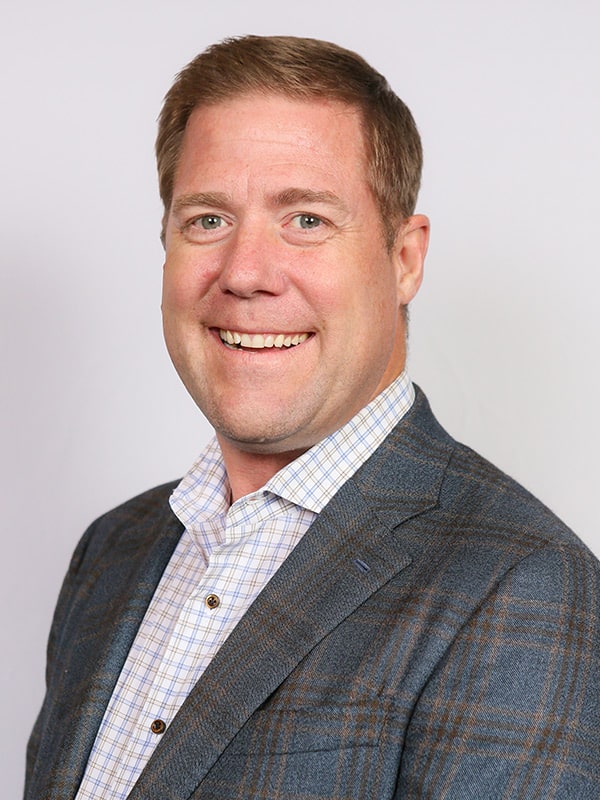
Paula’s son, Chase Key, joined ASCO in 2009 and was the first of the third generation to return to the family business. He earned a Bachelor of Science in Industrial Engineering from the University of Oklahoma and later completed a Master’s degree in Management at Texas Tech University.
After graduating from the University of Oklahoma in 2006, Chase began his career with UPS as part of their engineering team. In 2009, he rejoined ASCO, gaining experience in various roles, including the service department, rental sales, and as branch manager for the Lubbock Case store. Today, Chase serves as South Area Sales Manager.
Chase is actively involved in his community as Vice Chairman of the Covenant Hospital Foundation Board and a member of the Lubbock Executive Association (LEA). An Eagle Scout, Chase fondly recalls completing a 50-mile trek in Canada, an experience that continues to inspire him. He enjoys outdoor activities such as hunting and golf.
Chase is married to Amy Collins of Stillwater, Oklahoma, and together they have three children.

Bill’s daughter, Paula Wright Key, and treasurer for ASCO, is also proud to be part of the family operation. She graduated from the University of Texas at Austin in 1979 with a Bachelor of Business Administration (BBA) in marketing. That same year, Paula married Charles Ellis Key and moved to Dallas, where Charles joined InterFirst Bank as a Vice President.
In 1988, Paula and Charles returned to Lubbock, and Paula began her career at ASCO, working in the accounting department, working with payroll and accounts receivable.
Paula has been deeply involved in her community, serving on various boards, including the Texas Tech Foundation Board, Hospice of Lubbock Board, the Laura W. Bush Institute for Women’s Health, and the Board of Trustees for All Saints Episcopal School.
Paula and Charles have two children, Charles Ellis Key Jr. (Chase) and Carolyn, as well as four grandchildren.
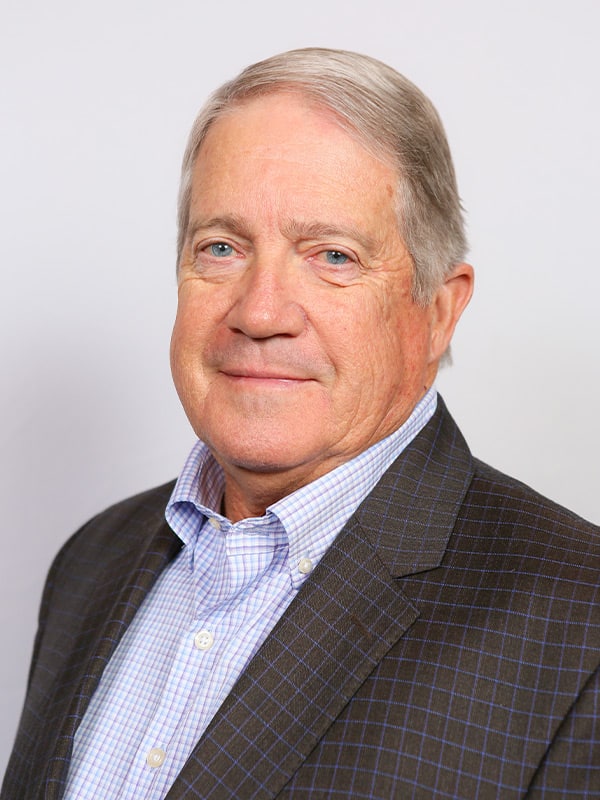
Steve Wright graduated from Texas Tech University in 1974 with a degree in Business Management. Shortly after, he joined his father and brother at ASCO, where he gained experience in nearly every role within the company.
In 1982, Steve and his family moved to Casper, Wyoming, where he managed ASCO Equipment-Wyoming, a Clark-Michigan distributorship serving the state. In 1984, he returned to Amarillo and now serves as President of ASCO.
Steve and his wife, Lea, are deeply involved in local, state, and national politics. Steve has also contributed to his community by serving on several boards, including Senate District 31, the Amarillo Executive Club, the Texas Tech Red Raider Club Board of Directors, and the Advisory Board for Wells Fargo Bank, among others.
An avid outdoorsman, Steve enjoys hunting and fishing. Steve and Lea have three children: Robyn, Courtney, and Brandon.
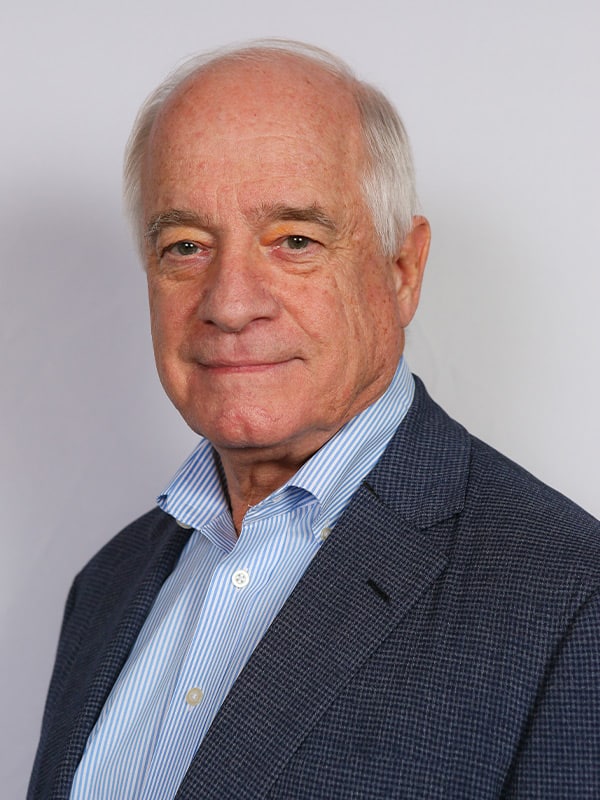
Brax graduated from the University of Texas in 1971 with a Bachelor of Science in Mechanical Engineering. After graduation, he began his career as an Offshore District Project Engineer for Exxon. He also served in the United States Army Reserve for six years, achieving the rank of sergeant in a heavy construction battalion.
Brax has held nearly every position at ASCO, gaining invaluable experience across the company before becoming Chief Executive Officer in 1997. Over the years, he has also served on numerous manufacturer advisory boards as well as other bank and company boards, contributing his expertise to guide key decisions.
Outside of work, Brax teaches the Adult Seekers Sunday School class at First Christian Church, where he serves as an elder. In his spare time, he enjoys golfing, camping, fly-fishing, reading, and writing. Brax is married to Beth, and together they have two children, John and Jill, and five grandchildren.